
A story of love, loss, faith, and grace
The Legacy She Left Behind
My mother, Belen
May 20, 1942 November 17, 2022
“Grace does not erase grief. Grace gives us the strength to keep walking with it.”
My mother, Belen, was the strongest woman I knew.
She was a woman of deep faith, courage, and service. In 1967, she left her young children in the Philippines with my father and grandparents and traveled alone to the United States to work as a nurse. She worked tirelessly to reunite our family and create a better life for us. Through the nursing agency and school she later founded, she also helped create opportunities for thousands of others.
She taught me what it meant to persevere, pray, serve, and care deeply for people.
My parents divorced when I was in first grade, so I did not grow up as close to my father. My mother raised five children on her own. She worked double shifts as a nurse and carried responsibilities I did not fully understand as a child. There was a time when we almost lost our home, but somehow she always found a way. She sacrificed again and again to make sure we were taken care of.
When I became a mother, she became a second mom to my twins. She taught me how to be a mom, not only through her advice, but by showing me what it meant to love, protect, and care for my family. My kids adored their grandma and shared a special bond with her.
She planned to retire in Charlotte so she could be close to her favorite child, as she called me, and to our twins. We imagined having more time together and making more memories. Losing her also meant losing that future we thought we still had.
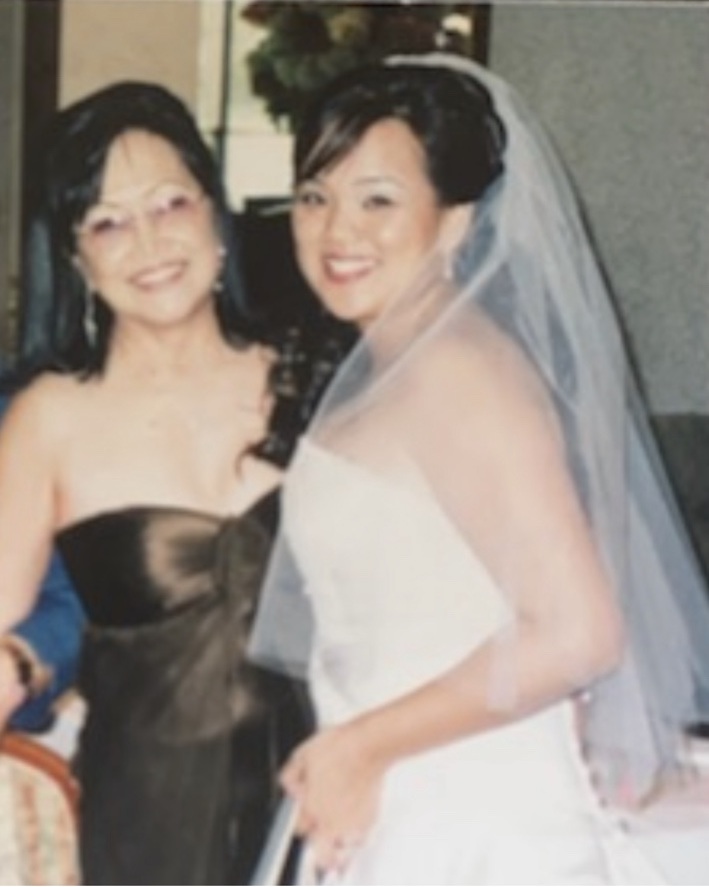
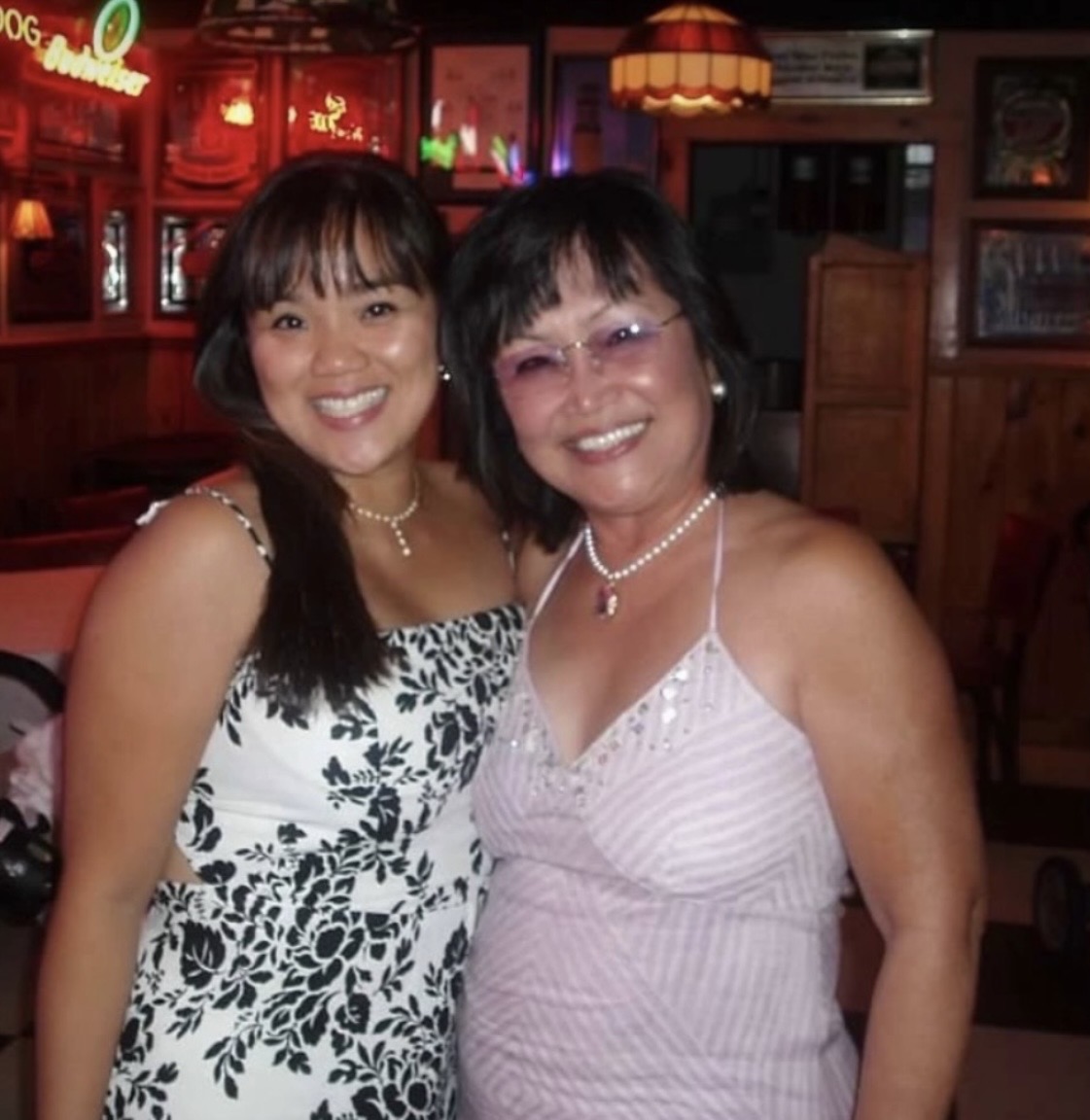
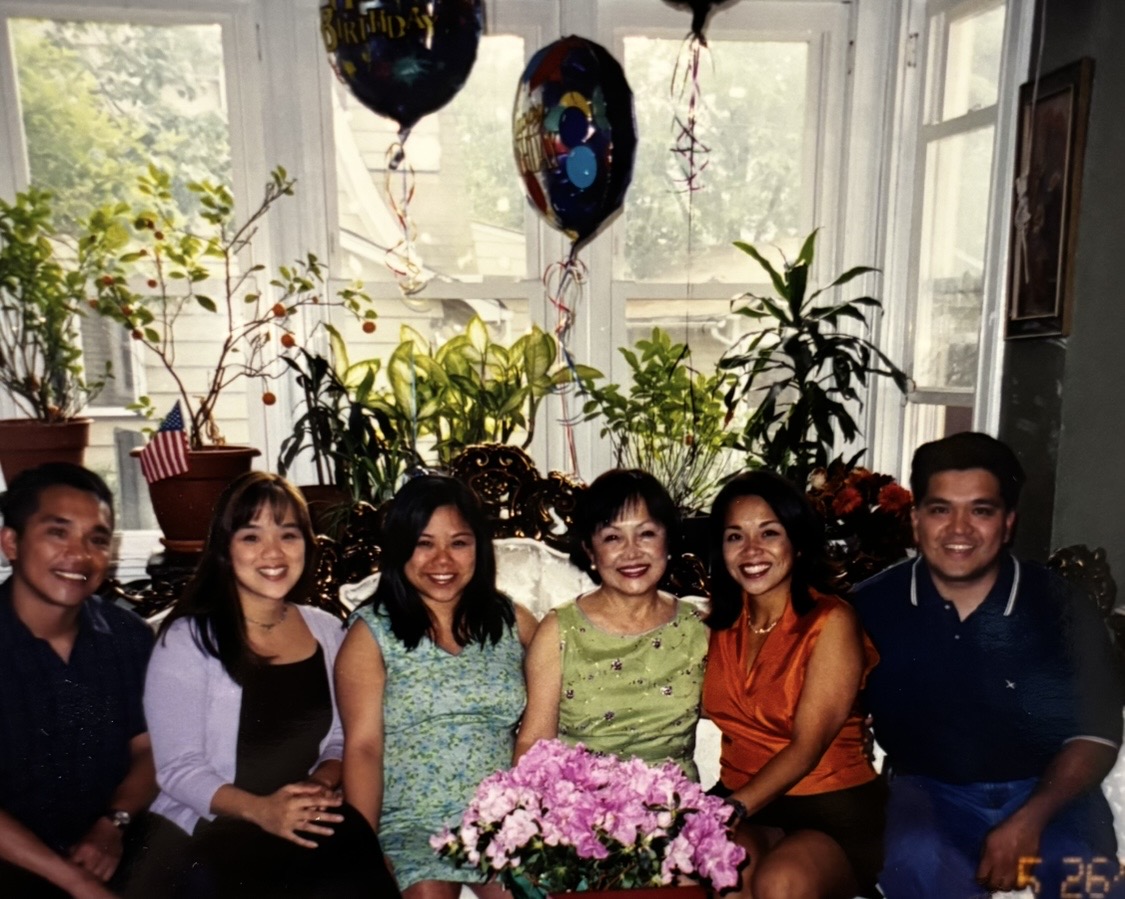
One year before my mother died, I lost my father to COVID. I was still trying to process his death when my brother called with news that changed everything.
The call came on our late father’s birthday, making an already emotional day even more difficult.
My brother told me that our mother had called him complaining of chest pains. He immediately called an ambulance, and she was taken to a local hospital. Her condition was so serious that she was quickly flown to a hospital that was better equipped to care for her.
I lived ten hours away.
The next day, my husband drove me to my sister’s home in Virginia. From there, my sister and I continued to New Jersey to be by our mother’s side.
For eight days, we stayed with her and tried to hold on to hope.
During the first few days, she was alert. She talked with us, prayed with us, and even spoke about taking a trip. We played music for her. She asked me to wash her hair. Those ordinary, tender moments became some of my most precious memories.
One morning, my mother told us that she saw our Lord Jesus standing beside her bed. She said His face was so bright, and she pointed to the place where she saw Him.
Her faith had always been central to her life. Hearing her speak about seeing Jesus brought comfort, but it was also difficult to understand what it might mean. We were still praying for healing and holding on to every sign of hope.
Her aortic valve had ruptured, and her organs were beginning to fail.
Eventually, my mother told us that she was ready to go. The doctors began providing comfort care so she could be peaceful and free from pain.
She was surrounded by all five of her children. Her six siblings joined us through FaceTime, praying with her and with us. Even after she told us she was ready, we were not ready. We continued to pray, watch the monitors, and hold on for as long as we could.
Then, on November 17, 2022, we watched the monitor as our mother’s heart stopped beating.
She was surrounded by the voices, prayers, and love of her family when she took her final breath.
The experience was deeply traumatic. There was no time to emotionally prepare for what was happening. One moment, my mother was calling my brother about chest pains. Days later, I was standing beside her as she left this life.
I understood that she had died, but accepting it was something entirely different.
After losing both of my parents within one year, grief felt layered and overwhelming, but the relationships and the losses were different. I was not as close to my father because my parents divorced when I was young. My mother was the one who raised us, sacrificed for us, and remained at the center of our family. I was still processing my father’s death while trying to survive the shock of losing her. I replayed the phone call, the drive, the hospital room, our final conversations, and the moment the monitor went still.
My mind knew what had happened, but my heart struggled to accept that she was truly gone.
There are losses that divide your life into before and after. Losing my mother was that kind of loss for me.
I was grieving not only the person she was, but also the conversations we would never have, the moments she would miss, and the comfort of knowing she was only a phone call away. She never had the chance to retire in Charlotte, to be nearby as the twins grew, or to live the life we had imagined together.
I miss her every day.
Grief therapy became an important part of helping me process the trauma and begin to accept what had happened. It gave me a place to speak honestly about the pain, the memories, the questions, and the emotions that were difficult to explain to anyone else.
Through therapy and my own grief journey, I learned that grief does not follow a timeline. It cannot be rushed, compared, or placed into a neat set of stages.
Everyone grieves differently because every relationship and every story is unique.
Some people need to talk. Others need silence. Some find comfort in prayer, writing, therapy, music, community, or simply being with people who understand. There is no single correct way to grieve.
Healing does not mean forgetting someone or moving on from the love we shared. It means slowly learning how to carry the love and the loss together.
During this season, I began to recognize how many women in the mortgage industry were also carrying grief while continuing to show up for their families, clients, teams, and communities. Many were grieving quietly because they did not feel they had a place where they could take off their professional armor and simply be human.
That realization led me to create Grief & Grace Sisters.
What began as a place for women to speak honestly has grown into a private community built on compassion, friendship, and understanding. We gather monthly by phone or Zoom, remain connected through a private group text, and remind one another that no woman should have to navigate grief alone.
My faith continues to be my anchor. I do not have every answer, but I believe God meets us in the places where words fall short.
I often think about my mother seeing Jesus beside her hospital bed. That moment remains part of the final gift she left us. It reminds me that even in the most painful goodbye, she believed she was not alone.
I have come to understand that grace does not erase grief. Grace gives us the strength to keep walking with it.
My mother’s story continues through the lives she touched, the family she loved, and the lessons she left behind.
Her life helped shape my story. Her loss changed it. And part of her legacy now lives in every woman who finds the courage to share her own unique grief story and discovers that she is not alone.